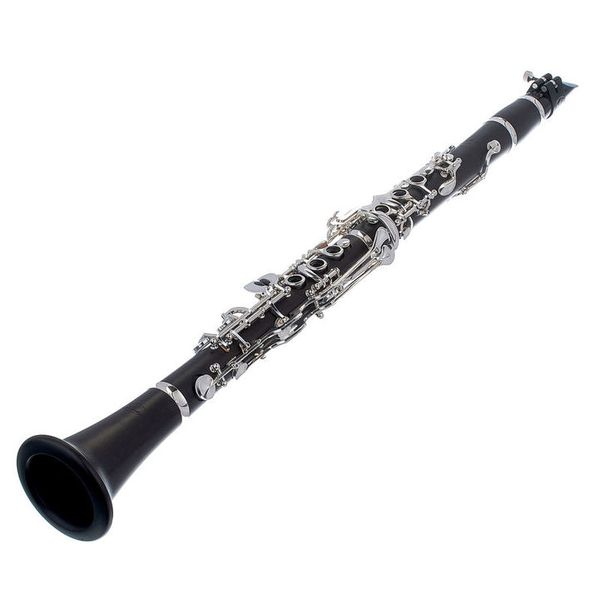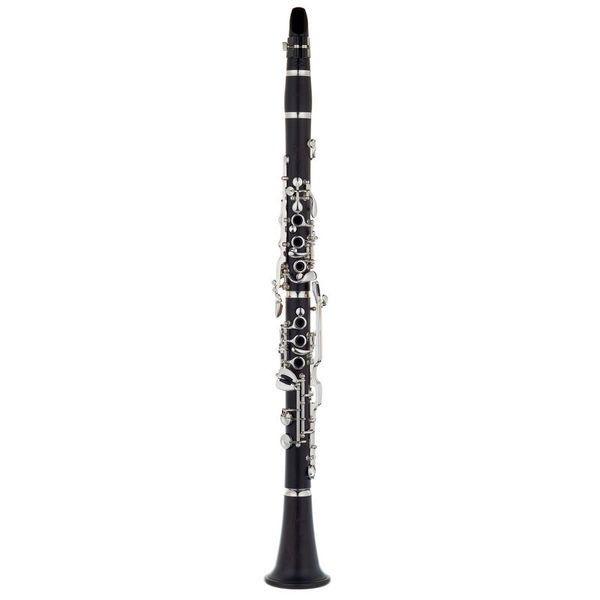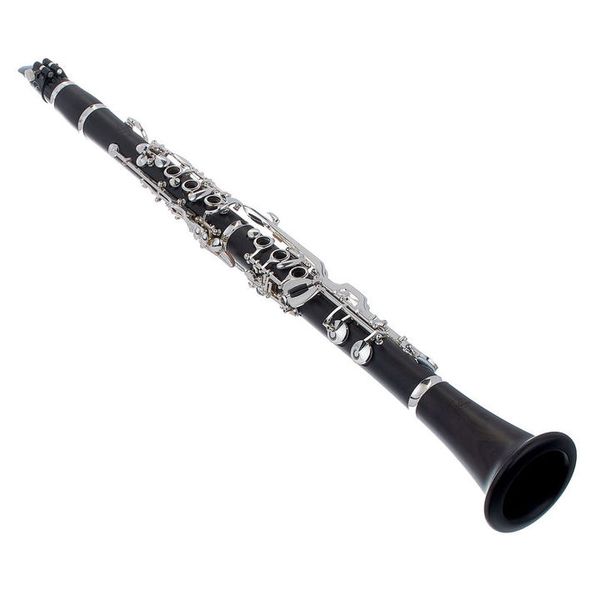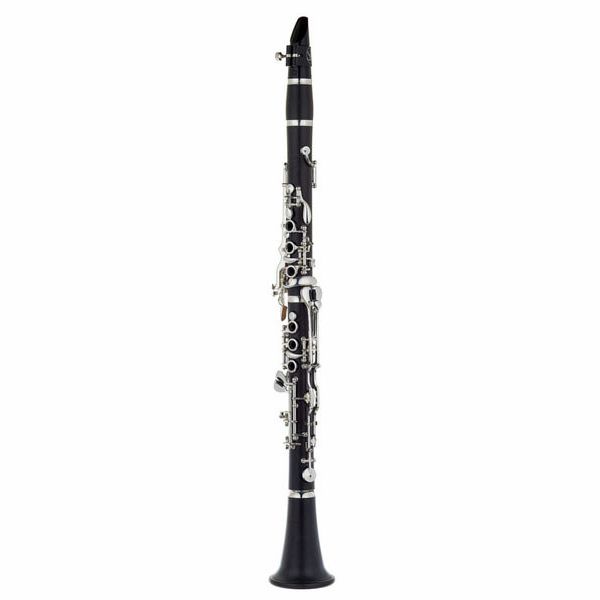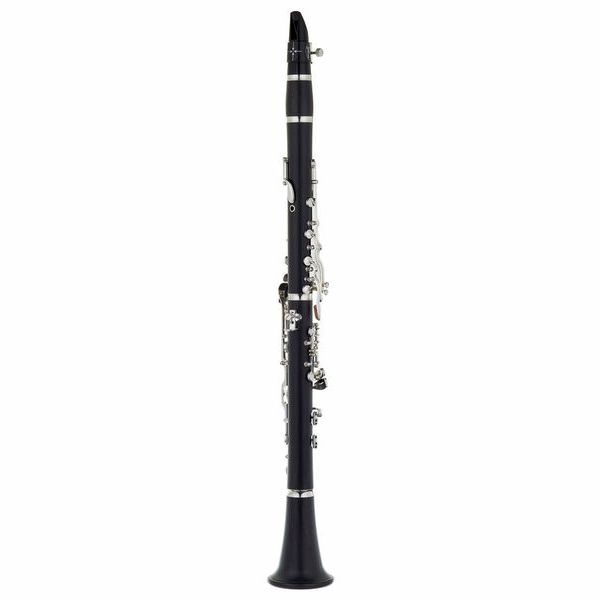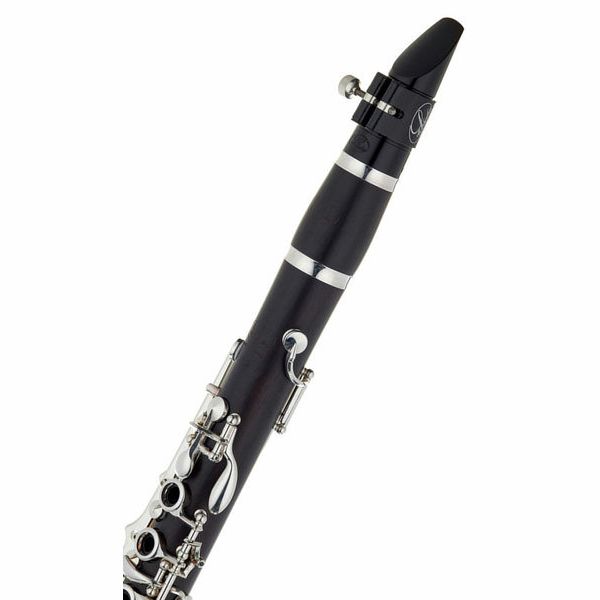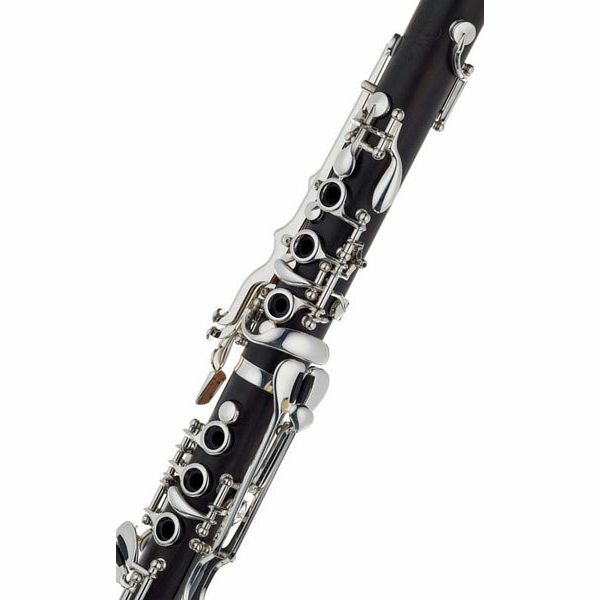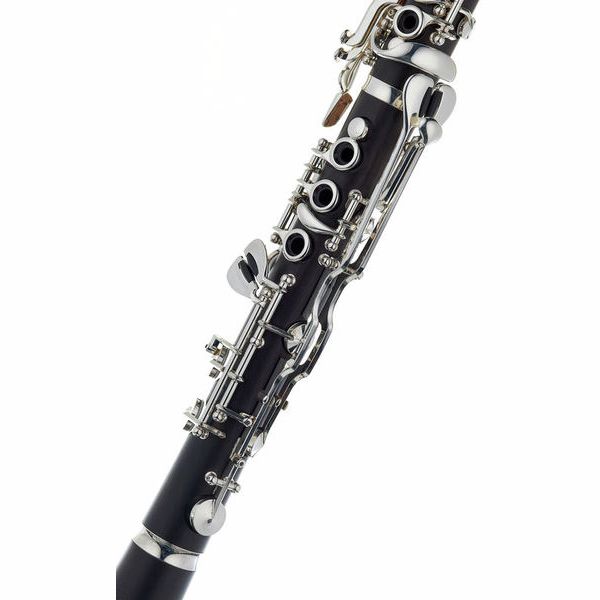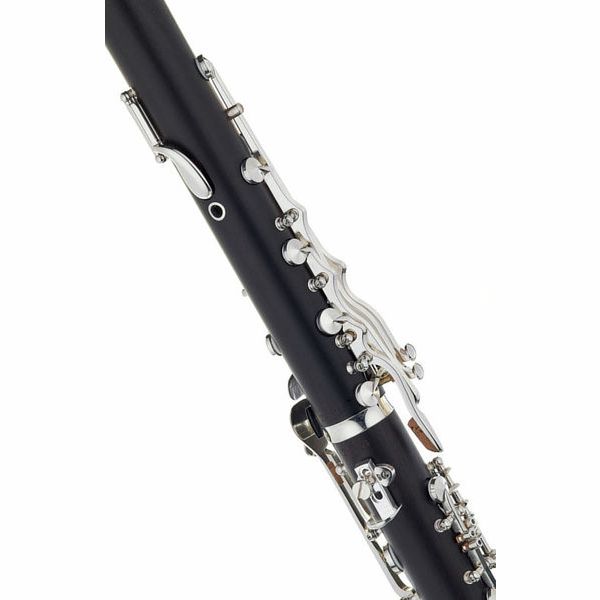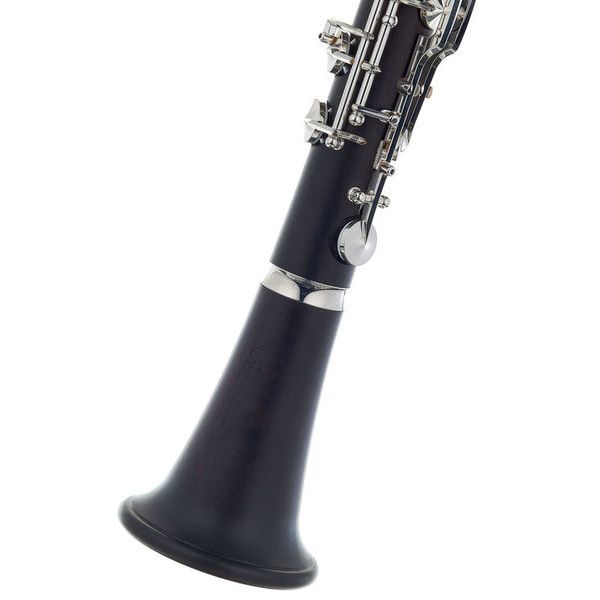
The Schreiber D-13 Bb clarinet, from the German manufacturer's Student range, consistently ranks among the most popular choices for aspiring musicians. The new 2.0 version now looks to elevate its reputation even further: Its quality has been refined through a series of meaningful innovations that go far beyond cosmetic updates, introducing carefully considered functional improvements throughout the instrument. An optimised tone hole pattern reduces resistance while delivering more balanced intonation, selected key positions have been adjusted for improved pad coverage, and the newly designed bell shape enhances sound, resonance, and projection. In designing the D-13, Schreiber's focus has always been on its tone and character, and it's here that this latest version offers a noticeable advancement over its predecessor: With 20 keys, six rings, an F-lever, and a Bb key, the D-13 has everything clarinettists need to make the next step.
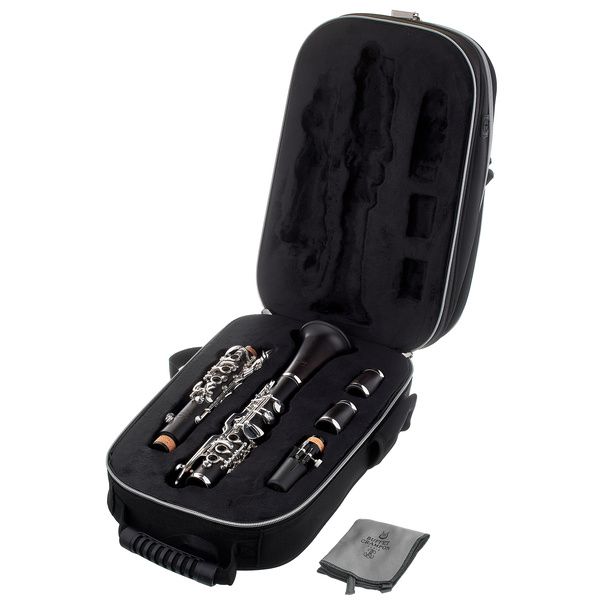
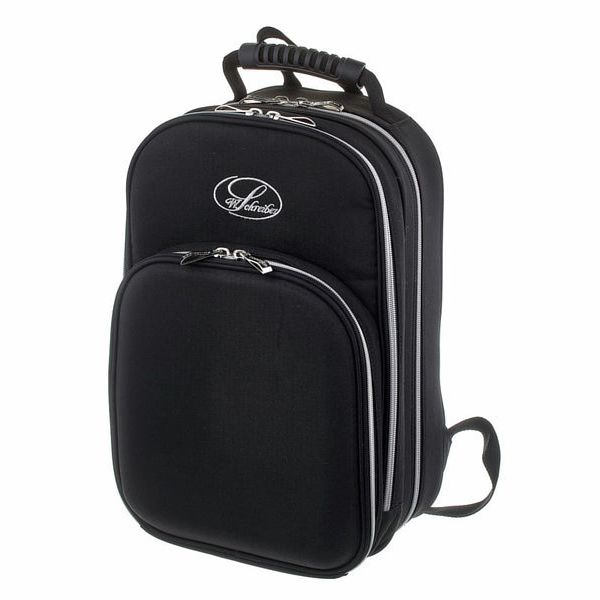
The Schreiber D-13 Bb clarinet employs the traditional German fingering system that is Schreiber's hallmark. Visually, the instrument stands out too; it's entirely built from solid, sustainably sourced grenadilla wood, paired with silver‑plated keywork that gives this student model a quietly confident touch of elegance. One of its more distinctive features is that the mechanism has been built with a tighter layout than before. The D-13 Bb clarinet also benefits from Schreiber's proprietary finish, which not only makes it more comfortable to play, but also ensures long‑term durability – making it a reliable companion for up‑and‑coming clarinet students. Included in the package are the instrument itself, the mouthpiece, the ligature, and a lightweight, student‑friendly case with backpack straps and a protective inner lining for safe transport.
The D‑13 is part of Schreiber's Student series, and this is reflected in every respect and detail of its setup: It's perfectly attuned to the needs of ambitious young players who've already shown their motivation for learning and playing the clarinet. Crucial here is not only the 20‑key configuration and its wonderfully easy response, but also the tightly spaced key mechanism, which is particularly well‑suited to fingers that haven't fully grown yet or don't have much stretch. Thanks to its German fingering system, the D-13 will play to its musical strengths in German‑speaking regions, or orchestras and ensembles playing the repertoire typical there. It's especially well-suited for a wide range of traditional, controlled musical styles where an overly dramatic tremolo isn't necessarily the goal. The Schreiber D-13 might also be a good choice for smaller adults, or for those picking up their hobby again later in life.
W. Schreiber clarinets, bassoons, contrabassoons, and accessories are all proudly 100% Made in Germany. The brand is considered a market and quality leader, especially for student and conservatory instruments, while its professional models meet the highest standards of craftsmanship. With a history spanning over 75 years, W. Schreiber is a true heritage brand in woodwind manufacturing. Since 2010, the company has been part of the French Buffet Crampon Group, which boasts its own extensive legacy in instrument making. Schreiber clarinets are particularly notable for their focus on the German fingering system, while their bassoons offer musicians exceptional playability, tonal quality, and perfect intonation.
The difference between the Boehm and German systems is most evident in the key mechanism. German‑system clarinets have two wide, butterfly‑shaped levers with rollers, while Boehm‑system instruments feature four or sometimes five closely spaced levers in the same position. The Boehm layout tends to feel more compact and is often considered easier to play, whereas German‑system clarinets are associated with a darker, more rounded sound. In German‑speaking countries the German system is still the dominant choice and is therefore frequently recommended by teachers, simply because it is the system they themselves use and teach. As a result, it is often the more practical option for clarinettists planning to work and play in musical environments shaped by this tradition.